When should chemical vapor deposition equipment be cleaned?
Author
Date Published
Reading Time
When should Chemical Vapor Deposition Equipment be cleaned? For maintenance teams, the answer depends on film buildup, particle counts, process drift, chamber condition, and manufacturer recommendations.
Clean when a validated process limit, equipment condition, or scheduled maintenance threshold indicates that continued operation could affect safety, wafer quality, or uptime.
Waiting too long can increase contamination and recovery work. Cleaning unnecessarily also consumes production time and may require chamber conditioning and process requalification.
What are the clearest signs that a CVD chamber needs cleaning?
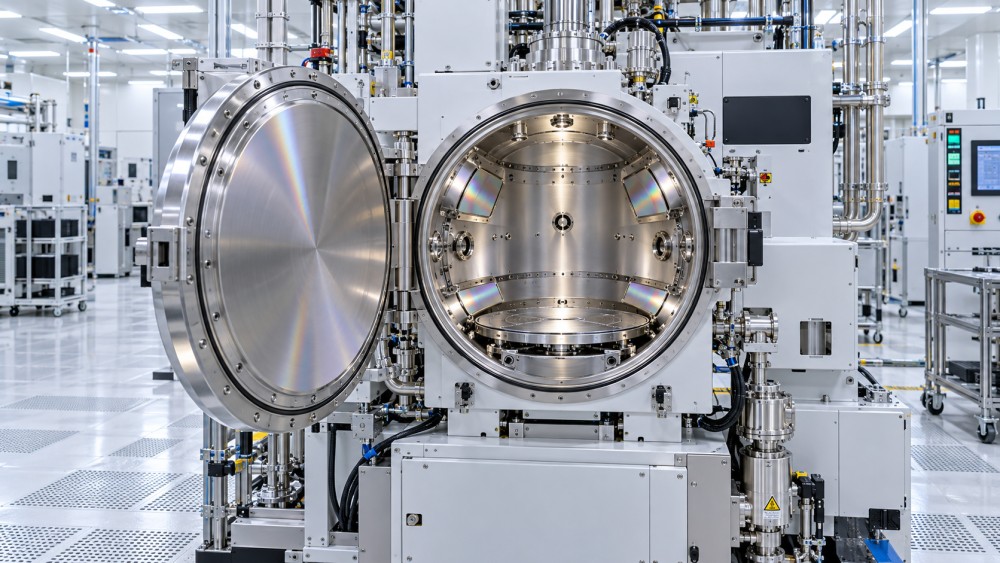
The strongest indication is a combination of evidence: deposit accumulation approaching a qualified limit, rising defects, or process measurements moving outside established control boundaries.
Use the equipment manufacturer’s maintenance instructions and the fab’s approved process limits together. A calendar date alone rarely captures the chamber’s actual deposition history.
For example, a chamber running thick films continuously may need attention sooner than an identical chamber processing fewer wafers or using a different recipe.
Before taking a chamber offline, confirm whether the trigger calls for an in-situ clean, an inspection, a full preventive maintenance event, or immediate engineering escalation.
Which process and equipment signals should maintenance teams monitor?
Effective scheduling starts with measurements that reflect both deposit buildup and chamber performance. Track them by chamber, recipe family, and operating period wherever practical.
Accumulated deposition and chamber usage
Deposited film accumulates on chamber surfaces as well as wafers. Track cumulative deposited thickness, process time, wafer count, or another validated measure of chamber loading.
Wafer count is convenient, but it can be misleading when recipes deposit different materials or film thicknesses. Separate counters may be necessary for mixed production.
Compare accumulated usage with the approved cleaning threshold for that chamber and process. Do not transfer a limit from another tool without engineering validation.
Record counter resets after cleaning and verify that the reset corresponds to the maintenance actually performed. An incorrect reset can conceal the chamber’s true condition.
Particles and defect trends
A rise in particles or wafer defects can indicate flaking deposits, damaged components, or another contamination source. Review trend direction as well as absolute limits.
Compare affected wafers across chambers, recipes, and recent maintenance events. A single abnormal wafer warrants investigation, but it does not automatically prove chamber cleaning is needed.
Use approved inspection wafers and defect classification methods where available. Distinguish particles associated with the chamber from contamination introduced by handling or upstream equipment.
If defect levels exceed an established action limit, follow the fab’s containment procedure, including holding affected material and involving process engineering before returning the chamber to production.
Film and process drift
Changes in film thickness, uniformity, refractive index, stress, or other monitored properties may indicate changing chamber conditions. The relevant measurements depend on the deposited film.
Compare results with the chamber’s control charts and recent baseline, not only with product specification limits. A sustained trend can warrant investigation before specifications are exceeded.
Drift is not unique to dirty chambers. Gas delivery, temperature control, pressure measurement, precursor condition, and metrology changes can produce similar symptoms.
Check these alternatives with process engineering before selecting a cleaning action. Cleaning without identifying the cause may add downtime while leaving the underlying problem unresolved.
Hardware condition and alarms
During an authorized inspection, look for abnormal deposits, loose material, discoloration, component damage, or wear in locations identified by the manufacturer and site procedures.
Repeated pressure-control faults, abnormal pump behavior, or gas-flow alarms may also justify investigation. They are diagnostic signals, not automatic proof that the chamber needs cleaning.
Deposits can affect exhaust paths and downstream components as well as the process chamber. Inspect and maintain each area according to its own approved scope.
How should cleaning intervals be set for different CVD processes?
Start with the equipment manufacturer’s recommended maintenance intervals and the process owner’s qualified limits. Adjust only through the fab’s formal change-control and validation process.
Cleaning frequency depends on deposited material, film thickness, recipe sequence, temperature, chamber design, and how effectively the approved cleaning process removes residues from critical surfaces.
Processes that deposit rapidly on chamber walls or produce deposits prone to shedding may reach maintenance limits sooner. The actual interval must be established for the specific application.
Run history matters too. Long idle periods, process changes, and interrupted cleaning cycles can change the condition of a chamber even when wafer counts remain low.
Use historical particle data, film trends, inspection findings, and maintenance records to assess whether the current interval is appropriate. Include both production performance and recovery time.
A proposed extension should be supported by a documented trial, agreed monitoring, and defined stop criteria. Never extend operation beyond a mandatory manufacturer or site safety limit.
Likewise, shorten an interval when evidence shows that the existing schedule permits unacceptable drift or contamination. Confirm the change improves results rather than merely increasing maintenance frequency.
When is an in-situ clean enough, and when is a full maintenance clean needed?
An in-situ clean uses an approved chamber recipe to remove specified deposits without opening the chamber. It is commonly scheduled between production runs or after defined usage.
Its effectiveness depends on the process material, chamber design, cleaning chemistry, recipe, and surfaces reached. A completed cycle does not by itself confirm complete residue removal.
Check the tool’s completion status, relevant endpoint or diagnostic data if available, and the site’s post-clean acceptance criteria. Investigate aborted or abnormal cycles before production resumes.
A full preventive maintenance clean may be needed when the validated usage limit is reached, deposits persist, inspection reveals damage, or recurring defects remain after in-situ cleaning.
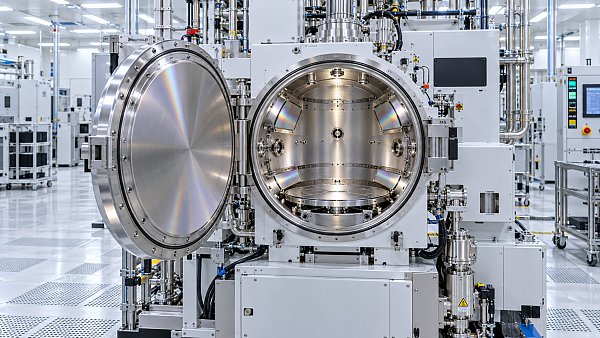
Full maintenance can include opening the chamber, cleaning or replacing approved components, inspecting seals and hardware, and addressing associated systems within the authorized maintenance scope.
Use the manufacturer’s instructions to determine which parts can be cleaned, which require replacement, and which surfaces must not be treated with a particular method.
Escalate persistent deposits or repeated clean failures to the equipment supplier and process owner. They may indicate a hardware, recipe, consumable, or process compatibility problem.
What should happen before the chamber is opened?
Review the work order, chamber history, materials processed, previous faults, and planned maintenance scope. Confirm that the correct instructions and trained personnel are available.
Coordinate with production and process engineering to identify affected lots, maintenance windows, required spare parts, and the acceptance tests needed before the chamber returns to service.
Apply the site’s lockout and hazardous-energy control procedures. Verify isolation and safe conditions using the approved equipment-specific procedure before starting any intrusive work.
CVD systems can involve hazardous gases, reactive residues, high temperatures, electrical energy, vacuum, and pressurized utilities. Residual hazards may remain after the tool stops operating.
Use the required gas isolation, purge, ventilation, personal protective equipment, and atmospheric monitoring specified by the manufacturer and site safety procedures for the actual materials involved.
Do not assume a chamber is safe because it has cooled or reached atmospheric pressure. Obtain environmental, health, and safety support when residue composition or exposure risk is uncertain.
Handle removed deposits, wipes, filters, and used components under site waste procedures. Their classification depends on the materials and contaminants present, not merely their appearance.
Maintenance personnel should not improvise cleaning chemicals, plasma recipes, or component treatments. Unauthorized methods can introduce hazards, damage hardware, or invalidate the qualified process.
How can teams tell whether cleaning worked?
Cleaning is complete only when the chamber meets the site’s documented release criteria. A visually clean surface is useful evidence, but it is not sufficient alone.
After reassembly, perform the manufacturer’s required checks, which may include component verification, leak checks, utility restoration, and confirmation that interlocks and alarms operate correctly.
Complete the approved chamber conditioning or seasoning sequence where required. Freshly cleaned surfaces can behave differently from surfaces conditioned by the established production process.
Run the specified qualification wafers or monitor recipes, then review results against the chamber’s acceptance limits. Relevant checks may include particle performance and film measurements.
Compare post-maintenance results with the chamber’s historical baseline and applicable control charts. Record the recipe, measurement method, wafer selection, and results for traceability.
If acceptance fails, keep the chamber out of production and follow the escalation procedure. Recleaning may be appropriate, but investigate assembly, leaks, consumables, and measurement issues too.
Process engineering or another authorized owner should approve release. The maintenance record should show what was cleaned or replaced, what tests passed, and who accepted the result.
How can cleaning schedules protect both uptime and wafer quality?
The best interval is not simply the longest one. It is the interval that keeps the process within qualified limits while accounting for maintenance and recovery effort.
Track scheduled downtime, unplanned downtime, cleaning duration, parts consumption, qualification time, and post-maintenance failures by chamber. Define each measure consistently before comparing tools or suppliers.
Include production lost during qualification and any affected wafer disposition in the review. A shorter cleaning event may not reduce total disruption if recovery takes longer.
Use chamber-specific records to identify recurring patterns, such as particle increases shortly before a scheduled clean or repeated failures after a particular component is replaced.
Discuss recurring issues with the equipment supplier using documented trends and maintenance history. Ask about validated cleaning methods, spare-part availability, training, and local service support.
When comparing service proposals, clarify whether quoted maintenance time includes isolation, cooling, cleaning, reassembly, conditioning, qualification, and process-owner release. These boundaries affect operational planning.
Practical decision guide for maintenance personnel
For a routine schedule, initiate the approved clean when the qualified usage counter or preventive maintenance interval reaches its action threshold, even if current wafers appear acceptable.
For rising particles or process drift, contain affected material according to site rules and investigate the trend. Clean when evidence and the approved response plan support that action.
For a failed cleaning cycle, abnormal residue, damaged hardware, or a safety concern, stop and escalate. Do not use a routine counter reset to bypass investigation.
For a planned interval change, obtain process and equipment approval, define monitoring and stop criteria, and validate results before making the new schedule routine.
Conclusion
Chemical Vapor Deposition Equipment should be cleaned according to validated usage limits and actual chamber condition, with immediate action when approved safety or process controls require it.
For maintenance teams, reliable decisions connect deposit history, defect and film trends, hardware inspection, manufacturer guidance, and post-clean qualification. Document each step and involve the appropriate owners.
Questions about market trends? Contact Market Scope Live for deeper business insights.
We respect your privacy. Your information is strictly confidential.
We respect your privacy. Your information is strictly confidential.
Related News
 Wafer Fab EquipmentHow to size semiconductor manufacturing equipment for wafer fabsSize semiconductor manufacturing equipment for wafer fabs with confidence. Learn to model capacity, assess bottlenecks, and make smarter procurement decisions.MORE+
 Wafer Fab EquipmentWhen should semiconductor manufacturing equipment maintenance be scheduled?Semiconductor manufacturing equipment maintenance should follow approved time, usage, and condition limits. Learn how to schedule service and protect production.MORE+
 Wafer Fab EquipmentWhen should chemical vapor deposition equipment be cleaned?Chemical Vapor Deposition Equipment cleaning depends on buildup, defect trends and validated limits. Learn when to act to protect wafer quality and uptime.MORE+
 Wafer Fab EquipmentHow residual gas analyzers help detect vacuum chamber leaksResidual Gas Analyzers help detect vacuum chamber leaks. Explore gas signatures, tracer testing, and practical steps to pinpoint problems with confidence.MORE+
 Wafer Fab EquipmentHow to Test Material Handling Recovery After a Power OutageHow can I test material handling recovery after a power outage? Explore a practical guide to verifying carrier locations, safe transfers, and system readiness.MORE+
 Wafer Fab EquipmentWhat to Do When a Wafer Handling Robot Drops a WaferWhat should I do if a wafer handling robot drops a wafer? Learn how to contain risks, protect affected lots, investigate the cause, and safely restart production.MORE+
 Wafer Fab EquipmentDoes a PVD Tool Need a Dedicated Cooling Water Supply?Does a PVD tool need a dedicated cooling water supply? Discover when shared cooling works, when a chiller is needed, and what to check before installation.MORE+
 Wafer Fab EquipmentRapid thermal processing or batch furnaces for wafer annealing?Semiconductor Thermal Processing Equipment: Compare RTP and batch furnaces for wafer annealing to find the right fit for your process, throughput and yield goals.MORE+
 Wafer Fab EquipmentPreventing moisture contamination in semiconductor gas delivery systemsSemiconductor Gas Delivery Systems need effective moisture control. Discover practical design, monitoring, and maintenance strategies to protect gas purity.MORE+